
Email Anytime
latourslanka1@gmail.com
Call Anytime

Email Anytime
Call Anytime
La Tours
Ceylon tea does not need an introduction. It is famous all over the world for its rich flavors coming from the lush highlands of the island nation of Sri Lanka. Ceylon tea is more than just a drink; it is a big part of Sri Lankan heritage. In this article, we are going to explore different Ceylon tea types and their benefits, plantation visits, and luxury stays to plan a flavorful adventure in the island nation.
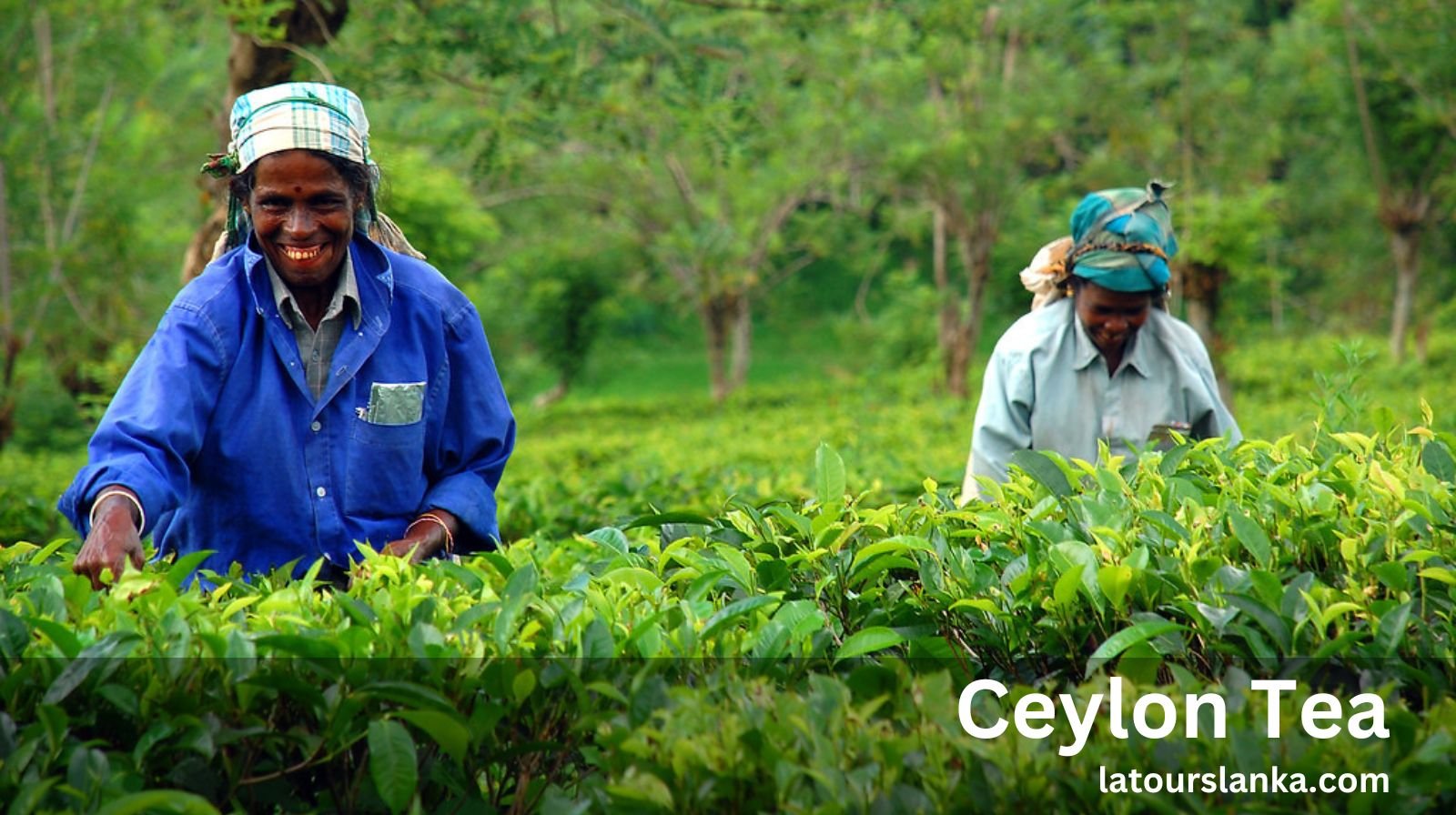
Let’s first learn a bit about Ceylon tea. The story of Ceylon tea is an inspirational story of how Sri Lanka never gave up and always found new ways to succeed. Ceylon tea is just what we call tea from Sri Lanka, which was known as Ceylon until 1972. Today, it is an internationally recognized brand, with its high quality guaranteed by the island's unique climate and soil. The Ceylon Tea story starts in 1824 when British colonists planted the first tea plant from China. They planted it in Peradeniya Botanical Gardens. They did not want to sell tea yet; they just wanted to try growing it.
The collapse of coffee plantations due to coffee rust in the 1860s made people turn their heads to growing tea instead. In 1867, James Taylor began the first commercial tea plantation at Loolecondera Estate near Kandy. He planted tea on 19 acres of land. Today, tourists can trace this fascinating story at the Loolecondera Estate and at the Ceylon Tea Museum in Kandy. Taylor built the first tea factory in 1872. Then he developed innovative processing techniques to grow tea.
By the 19th century, tea had replaced coffee completely. The first Colombo Tea Auction was held in 1883. In 1893, one million packets of Ceylon tea were sold at the Chicago World's Fair. Sir Thomas Lipton entered the Ceylon tea market in the 1890s. By buying estates and revolutionizing distribution, he made Ceylon tea a household name worldwide. As of 1890, Sri Lanka was exporting about 45 million lbs of tea annually. Sri Lanka became famous for orthodox black tea first. Later, green tea, white tea, and value-added teas also came out, making the country's name prouder.
Today, Sri Lanka stands as one of the top four tea producers in the world, making between 200 and 250 million kilograms of tea each year. Ceylon tea grows in seven different areas.
Nuwara Eliya - Grows high up on mountains, tastes light and delicate
Uva - Grows at medium height, tastes smooth and gentle
Dimbula - Brisk
Kandy - Tea with a full, rich taste
Uda Pussellawa - Pungent tea
Ruhuna - Grows low on mountains, very strong tea
Sabaragamuwa - Bold, powerful tea taste
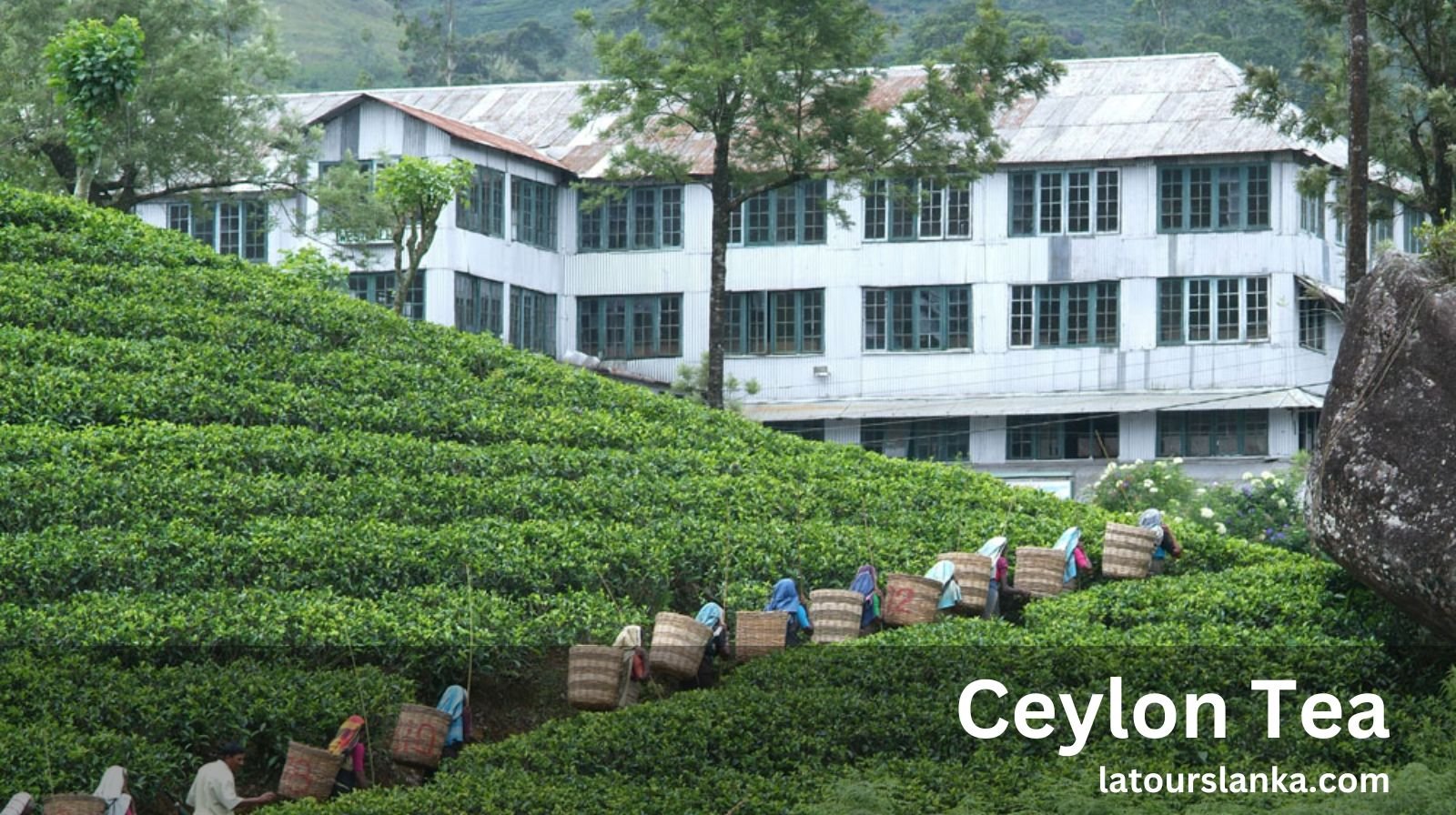
In each area, tea gives out a completely different taste. Tourists can visit tea factories and see how workers pluck, wither, roll, ferment, dry, and grade them. The best times to visit factories are during harvest seasons. For high-grown, visit in March or April, and for low-grown, visit between July and September. Factories like Pedro Estate in Nuwara Eliya offer tastings and shops to buy loose tea leaves.
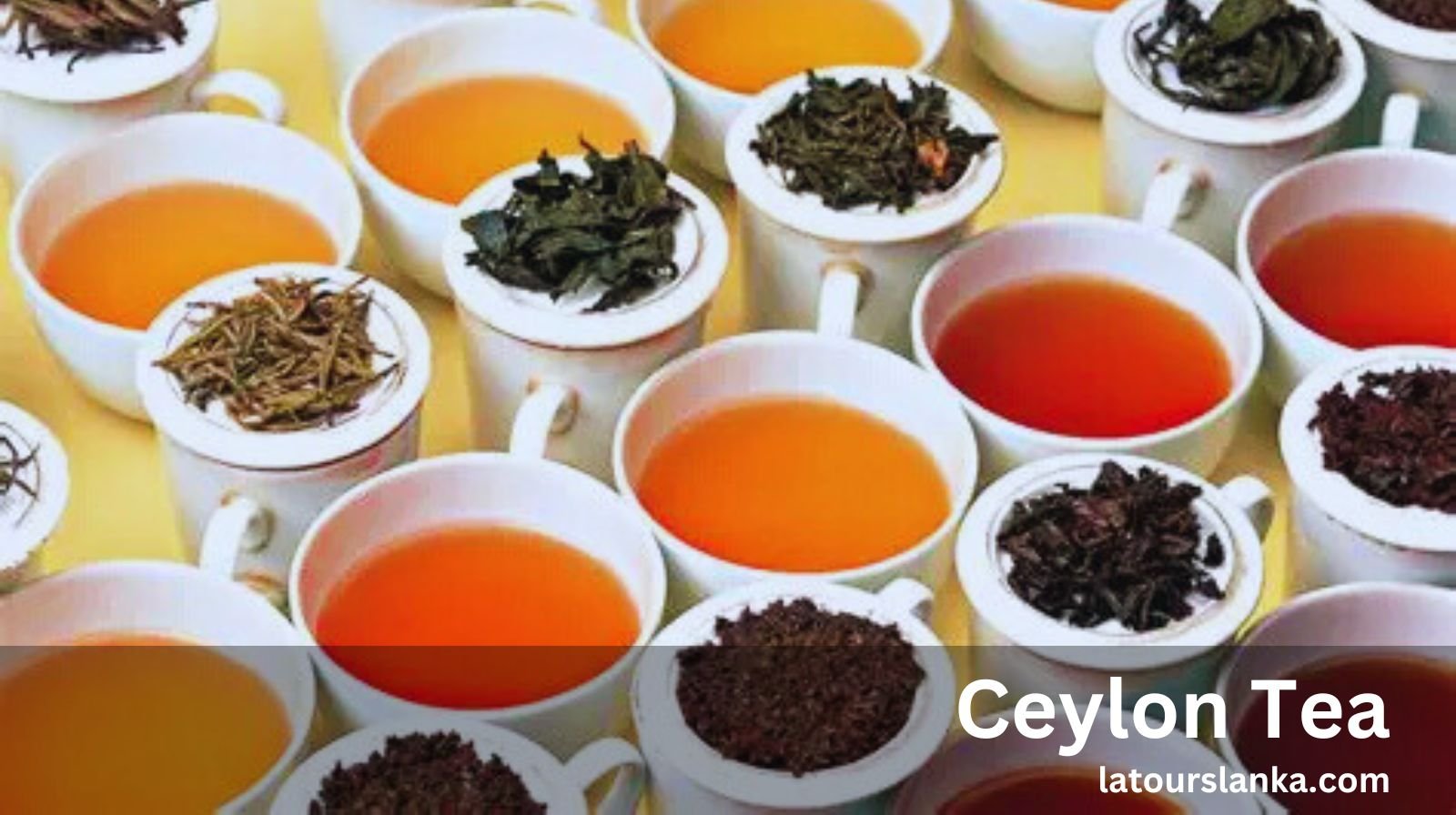
There are three main Ceylon tea types: black tea, green tea, and white tea. You can also find oolong tea and herbal and flavored options. Each tea tastes different due to its processing, the region, and the elevation where the tea is grown.
Ceylon black tea - The signature Ceylon tea. It has a bright color, brisk, and full-bodied flavor.
Ceylon green tea - This tea is getting popular now. It often tastes nutty and fresh like vegetables.
White tea - People call this "Silver Tips." It is the rarest type and goes through the least processing. It tastes delicate like flowers and honey.
Sri Lanka also makes special oolong teas and teas mixed with spice-infused teas (with cinnamon or lemongrass).
Like we said before, where tea grows changes how it tastes.
Grown in places like Nuwara Eliya and Dimbula. It tastes light and floral. People call it the "Champagne of Ceylon."
Grown in places like Uva, some parts of Uda Pussellawa, and Kandy. It tastes smooth and gentle with a copper color. Uva teas are prized during the July - September flush.
Grown in places like Ruhuna and Sabaragamuwa. It tastes very strong and full. The tea looks like deep amber liquor and tastes like malt and caramel.
Did you know Ceylon tea gives so many benefits to your body? It's rich polyphenols, antioxidants, and mineral chemicals that make every tea drinker healthier.
Studies show that regularly drinking black tea can lower bad cholesterol (LDL). It can even modestly lower your blood pressure. It’s all thanks to theaflavins and catechins in black tea. These chemicals improve blood flow and lower cardiovascular risk.
Controls blood sugar
Chemicals in black tea slow down how your body absorbs carbohydrates. Helping you control diabetes. The EDB found that three cups of black tea per day were associated with a 42% reduction in Type 2 diabetes risk.
Makes you feel calm but alert
Ceylon tea’s L-theanine helps you relax and focus at the same time.
Fights sickness
Ceylon tea’s anti-inflammatory properties help your body fight infections and stay healthy.
Ceylon green tea has higher catechin levels like EGCG. Green tea also helps keep your skin healthy by fighting free radicals that damage skin. This reduces acne and signs of aging. The tannins in green tea can help with digestion and soothe an upset stomach. For weight loss, green tea has a special effect that helps you burn more calories. It is even better when you are exercising, as the catechins in the tea can boost your metabolism and help with fat burning. For the best results, try to drink 2-3 cups a day.
Good for your mind
Ceylon tea also has benefits for your mind. The amino acids in it can actually reduce stress. And if you drink black tea, the L-theanine in it helps you feel calm and alert, so you can focus better without getting the caffeine jitters. On top of that, Ceylon cinnamon tea is famous for its healthy aroma and mild sweetness, with Sri Lanka supplying 85% of the world's market.
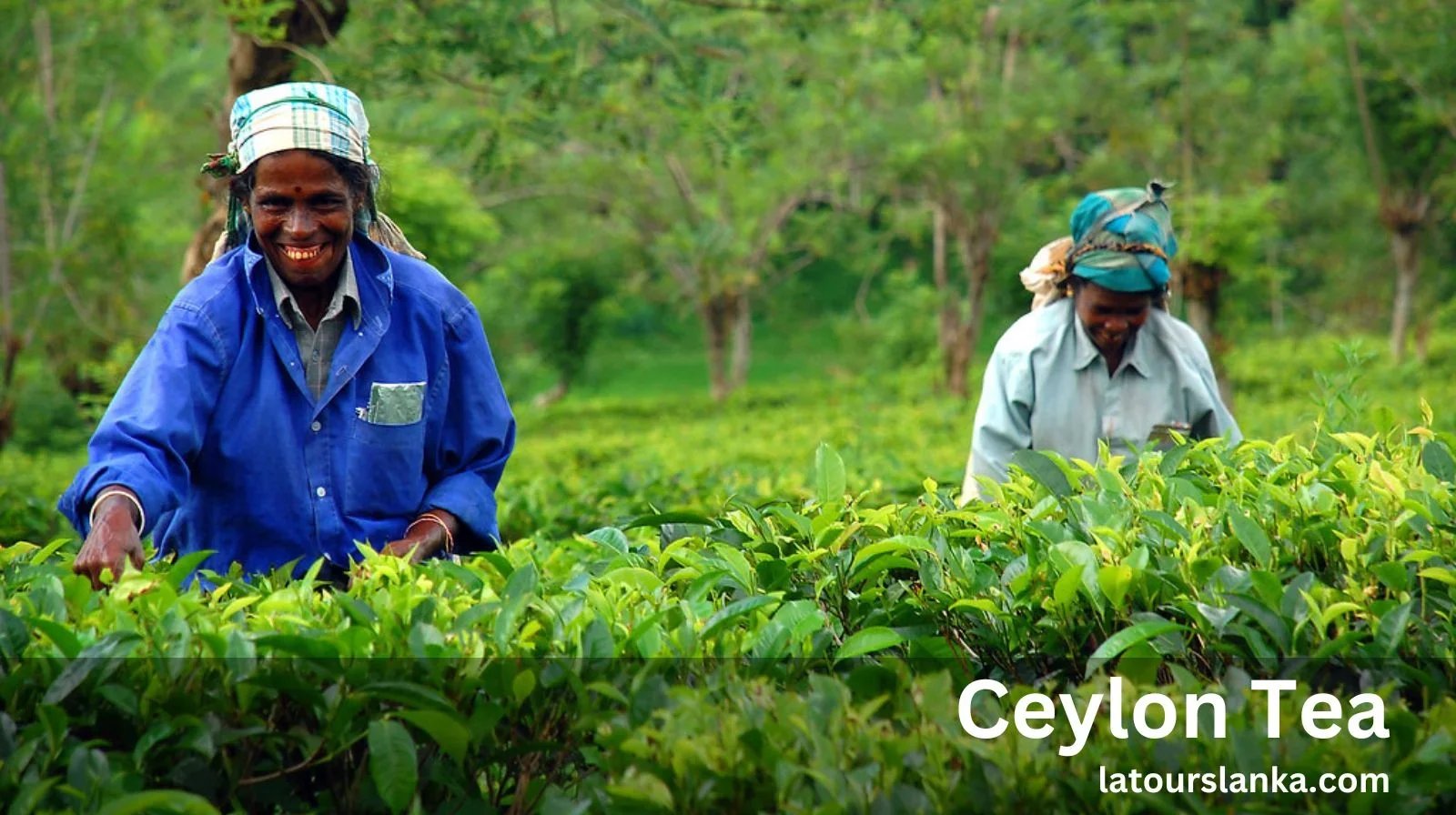
Tourists can visit tea plantations in Sri Lanka and get hands-on experience of the tea-making process.
This is a great place to start your tea tour. Because of Nuwara Eliya's cool, misty climate and all the British colonial buildings, gardens, and activities, People call it "Little England.” Here you can get on a tour at an estate like Pedro and learn the whole tea-making process. These tours usually cost $10-$20 and last for 1-2 hours. During the tour, you will get to see how tea is plucked and processed in the factory. You will also get a chance to taste different kinds of tea, such as black, green, and flavored teas.
To have the best experience, visit during March to April when it's in harvest. Nuwara Eliya's weather is cooler (15-25°C) around this time too. If you want to stay in style, check out the Heritance Tea Factory. This colonial bungalow hotel has 57 rooms, including suites with fireplaces. As for amenities, it offers pool and spa services.
There is more to Sri Lanka's tea scene than just one region. In Kandy, you can visit Dambatenne Estate, started by Lipton himself. Here, you can take guided walks and see how they prune the bushes and their eco-friendly methods. Over in Uva, the Halpe Estate even offers amazing tea tastings. Sri Lanka is focusing on sustainability to reach its goal of 3 million tourists and $5 billion in revenue in 2025. They are even creating new eco-trails like the Pekoe Trail to get more visitors into the hills. You should definitely try to combine your estate visits with a train ride through the highlands. This way, you can get breathtaking views of the mist-covered tea plantations.
This is a collection of five beautiful, restored bungalows in the Bogawantalawa Valley. It's the world's first tea bungalow resort. Here, visitors can enjoy offering a truly luxurious experience with each unique bungalow.
Castlereagh - This century-old bungalow with five rooms and suites gives you unbeatable views of Castlereagh Lake. Its recently refurbished garden suites feature eclectic style, and you can enjoy afternoon tea in little summerhouses on the grounds.
Dunkeld - Dunkeld is located high above Castlereagh Lake. It offers five rooms and suites with sweeping views of the valley and mountains. Visitors can enjoy a fantastic infinity pool, a hot tub, and even a romantic private cottage here.
Norwood - This bungalow has six rooms and suites set right on a tea estate. It offers visitors stunning mountain views and classic furnishings. The bamboo-framed pool, croquet lawn, and billiards room are highlights you can explore here.
Summerville - Summerville has five rooms and suites right on the lake's edge. Visitors can enjoy a cozy, country cottage vibe here. It also has an infinity pool, a croquet lawn, and elegant suites.
Tientsin - This is the oldest of the group, built in 1888. Its six rooms and suites are decorated in a classic colonial style. And they are surrounded by lovely rose gardens.
All five bungalows come with personal butler service and gourmet meals. They are often paired with fine Ceylon teas. You can also relax by the infinity-edge pools, croquet lawns, and gardens. Your stay is packed with activities! You can take guided tea estate walks, cycle trails, kayak on Castlereagh Lake, and enjoy delightful picnics. You can also tour a working tea factory and try tea plucking. For wildlife lovers, they arrange safaris at their sister lodge, Wild Coast Tented Lodge in Yala. As Sri Lanka’s first Relais & Châteaux property, Ceylon Tea Trails Sri Lanka, offers visitors the top-tier experience with heritage luxury. If you are interested, you should book early for the peak season, December to March.
Want to try light, floral teas? Head to Nuwara Eliya.
Want flavorful, aromatic teas? Visit the Uva region, especially from July to September.
January to April are the best times to visit the hills and Nuwara Eliya. The weather is great during these months, and the skies are clear. So, these are the best times for sightseeing and hiking.
The Uva region is at its best from July to September. These times the tea is most flavorful and you can easily access the trails. It's also a good time to visit for walking and exploring the estates.
It will take some time to travel within the tea country, especially between estates, due to winding roads.
The mornings in the highlands are calm, sometimes as low as 5°C, but it gets warmer in the afternoon (18–22°C). Pack warm layers, a light waterproof jacket, and good walking shoes.
Ceylon tea is any tea that's grown and processed right here in Sri Lanka. Thanks to the island's special climate and landscape, the tea has an exceptional quality and flavor that people all around the world love. This connection is not something that happened recently; people have loved everything about Ceylon tea since the 19th century.
That is a common question, and the answer is no. "Ceylon" tells you the country of origin, not the type of tea. You can also find Ceylon tea as green, white, and oolong, depending on how the leaves are processed.
Yes, it does. An 8-ounce cup of Ceylon black tea generally has around 40 - 70 mg of caffeine.
Are you ready to get into Sri Lanka’s green heart? Every cup of Ceylon tea tells a story of Sri Lankan heritage and good health. It has so many different flavors to enjoy, like the bold black tea, fresh green tea, and even the cinnamon spice. When you explore Sri Lanka's Tea Country, do not miss touring the plantations, relaxing at luxurious hotels like Ceylon Tea Trails Sri Lanka, and enjoying many Ceylon tea benefits. So, pack for the cool weather in the highlands and time your visit around the harvests. Let Ceylon tea make your Sri Lankan adventure unforgettable.
( 0 ) Comments